
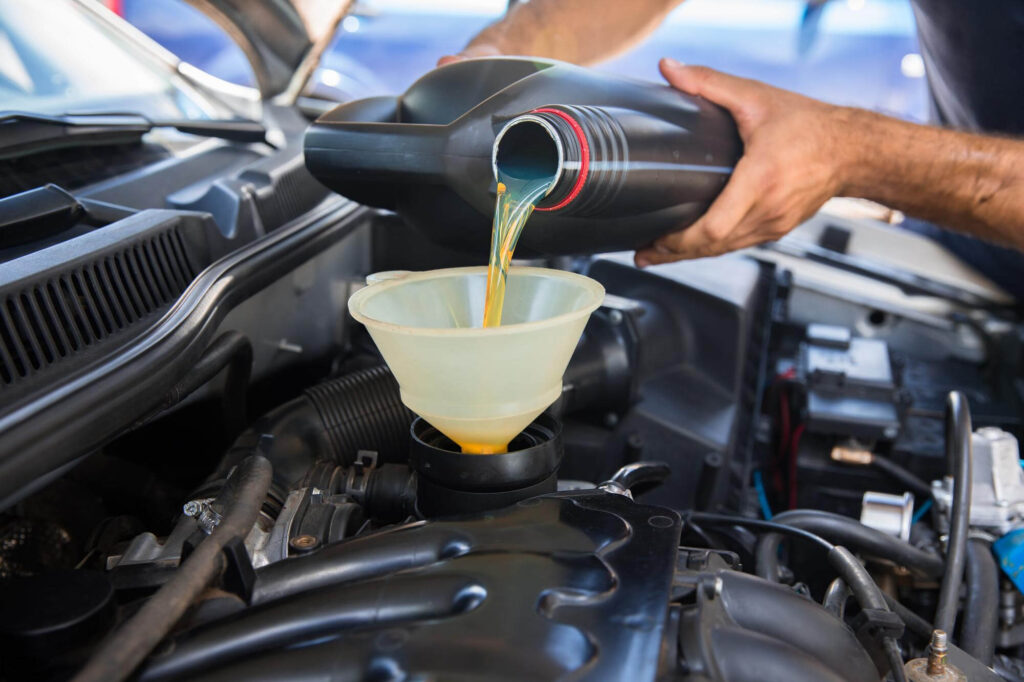

Oil changes are the most basic form of car maintenance, but they are also the one most people get wrong. Some wait too long. Some change it more often than needed. And a lot of drivers are still going by the old every-3,000-miles rule that no longer applies to most modern vehicles. If you drive in Edison and want a clear answer on when to schedule your next oil change in Edison, this guide covers exactly that.
The 3,000 Mile Rule Is Outdated for Most Cars
For decades, the standard advice was to change your oil every 3,000 miles. That made sense for older engines running conventional oil. Modern engines and synthetic oil have changed that picture completely.
Most vehicle manufacturers today recommend oil changes between 5,000 and 10,000 miles for conventional oil and between 7,500 and 15,000 miles for full synthetic. Some vehicles with newer engine technology can go up to 15,000 miles between changes when using the right oil grade.
The number that actually matters is the one in your owner’s manual, not the sticker a quick-lube place puts on your windshield. That sticker is often set to 3,000 miles regardless of what your car actually needs.
What Type of Oil Does Your Car Need?
The oil type affects both how often you change it and how well your engine runs between changes. There are three main options:
- Conventional oil – Standard motor oil refined from crude. Works fine for older or simpler engines. Needs changing more frequently, typically every 5,000 to 7,500 miles.
- Full synthetic oil – Processed to a higher standard with fewer impurities. Lasts longer, performs better in temperature extremes, and is what most newer vehicles require. The change interval is usually 7,500 to 15,000 miles.
- Synthetic blend – A mix of conventional and synthetic. Middle ground in both performance and price. The interval typically falls around 5,000 to 7,500 miles.
Using the wrong oil grade for your engine does not just affect performance. Over time, it affects wear patterns inside the engine and can void manufacturer warranties on newer vehicles.
How Edison Driving Conditions Affect Your Oil Change Schedule
Your driving habits matter as much as the mileage number. Vehicle manufacturers define two types of driving conditions: normal and severe. Most people assume they fall into the normal category, but Edison drivers who do a lot of short trips, stop-and-go traffic on Route 1, or highway commuting in temperature extremes are often in the severe category.
Severe Driving Conditions Include:
- Trips under five miles that do not allow the engine to fully warm up
- Frequent stop-and-go traffic in urban areas
- Towing or carrying heavy loads
- Driving in very hot or very cold temperatures
- Extended idling
Under severe conditions, the oil breaks down faster because the engine works harder and reaches higher temperatures more often. In that case, you should follow the shorter end of your manufacturer’s recommended interval rather than the longer one.
Signs Your Oil Needs Changing Before the Interval Is Up
Sometimes oil needs attention before you hit the mileage mark. Watch for these signs:
- The oil change warning light or oil pressure light comes on
- The oil on the dipstick looks black or gritty rather than amber
- You hear a ticking or knocking sound from the engine
- You notice a burning smell while driving
- Engine performance feels sluggish or rough
If any of these show up, get the oil checked regardless of when the last change was. Running an engine on degraded oil accelerates wear on internal components, and that kind of damage is not cheap to fix.
According to the Car Care Council, neglected oil changes are among the top reasons for premature engine wear in vehicles with less than 100,000 miles on them. The fix is simple and inexpensive. The consequence of skipping it is not.
What Happens During an Oil Change Service
A proper oil change is more than draining old oil and adding new. A full-service visit should cover:
- Draining the old oil completely
- Replacing the oil filter with a new one
- Adding the correct oil type and grade for your vehicle
- Checking the oil level after a refill
- Inspecting other fluid levels, including coolant, brake fluid, and transmission fluid
- A visual check for leaks or anything that needs attention
If your shop is not doing a fluid check alongside the oil change, ask why. It takes a few minutes and gives you a full picture of where your vehicle stands.
For vehicles that have gone a long time without service, combining an oil change with engine diagnostic services gives you a complete picture of engine health before small issues develop further.
Can You Go Too Long Between Oil Changes?
Yes, and the damage builds up gradually rather than all at once. Old oil thickens and loses its ability to lubricate moving parts. Metal-on-metal contact increases. Sludge builds up inside the engine. Over time, this shortens engine life and leads to costly repairs that a regular oil change schedule would have prevented.
If you have gone well past your interval, the first step is getting the oil changed and doing a brake inspection alongside it, since both are part of a standard vehicle health check that gets overlooked together.
Schedule Your Oil Change in Edison at A1st Auto Repair
A1st Auto Repair handles oil change in Edison for all vehicle makes and models, using the right oil grade for your engine and checking your other fluids while we are at it. If your oil light is on or your last change was more than a few months ago, contact us, and we will get your vehicle in, sort the oil, and let you know if anything else needs attention.