
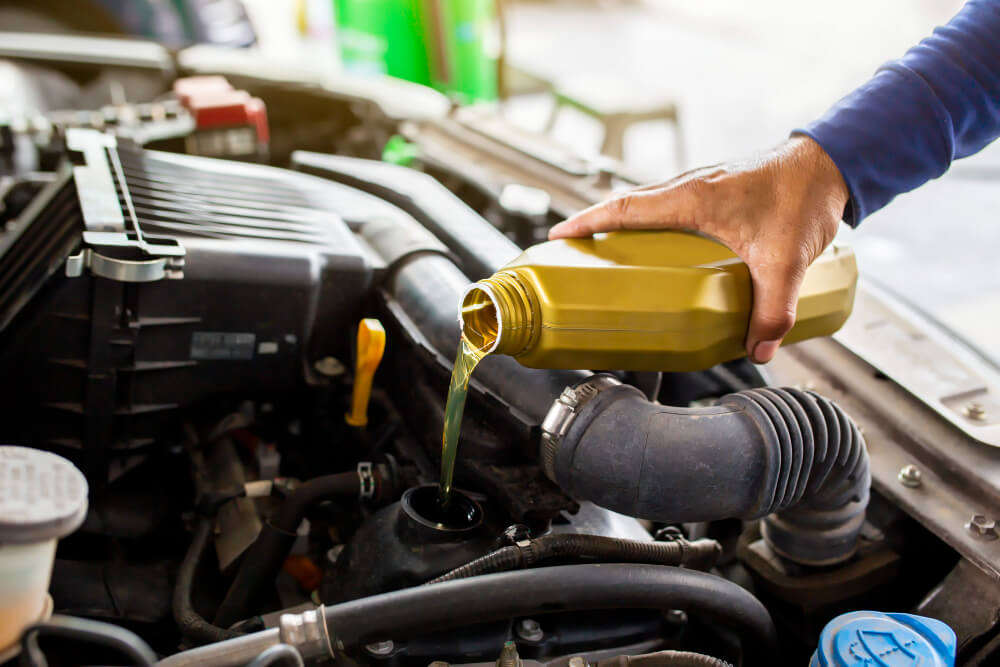
The 3,000-mile oil change rule used to be standard advice. Most drivers heard it from a mechanic, a parent, or a sticker on the windshield. But that number is outdated for most cars on the road today, and following it costs you money on service you do not need. At the same time, stretching oil changes too far damages your engine in ways that show up slowly and cost a lot to fix. Getting your oil change in Edison, NJ, on the right schedule protects your engine without spending more than necessary.
Why Oil Change Intervals Have Changed
Modern engine oils last longer than the oils available decades ago. Full synthetic motor oil, which most newer vehicles use, handles heat and friction better and breaks down more slowly than conventional oil. At the same time, modern engines are built with tighter tolerances and oil life monitoring systems that track actual degradation rather than just mileage.
Most cars built in the last decade using full synthetic oil can go 7,500 to 10,000 miles between changes. Some manufacturers set the interval at 15,000 miles under certain conditions. The 3,000-mile interval is generally no longer recommended by most car manufacturers.
The interval that applies to your car depends on the oil type it uses, your engine design, and how and where you drive.
Conventional Oil vs Synthetic Oil: What Your Car Actually Needs
Conventional Oil
Older vehicles and some budget-model cars still use conventional motor oil. For these, oil change intervals typically run between 3,000 and 5,000 miles. Conventional oil breaks down faster under heat and accumulates combustion byproducts more quickly than synthetic alternatives.
Full Synthetic Oil
This is what most cars manufactured from 2010 onward require. Full synthetic oil handles temperature extremes, engine stress, and longer intervals between changes. Most manufacturers recommend 5,000 to 10,000 miles for full synthetic, though your owner’s manual gives the exact figure for your model.
Synthetic Blend Oil
A mix of conventional and synthetic, used in some trucks and SUVs. The change interval usually falls between 5,000 and 7,500 miles, depending on the vehicle.
Using the wrong oil type or changing it on a schedule that does not match what the manufacturer recommends creates problems in both directions. Too frequent and you waste money. Too infrequent and the oil loses its ability to lubricate, leading to engine wear.
What Happens When You Skip or Delay an Oil Change
Oil that runs past its service life stops doing its job. As it degrades, it thickens, carries more contaminants, and loses its ability to form a protective film between moving metal parts. The results are not immediate, but they accumulate over time.
Delayed oil changes lead to:
- Sludge buildup inside the engine that restricts oil flow to critical components
- Increased friction on pistons, bearings, and camshafts causes wear
- Higher engine temperatures because degraded oil cannot transfer heat as well
- Engine oil pressure problems that trigger warning lights or, in worst cases, cause engine failure
An engine damaged by oil neglect rarely shows the full cost until a mechanic opens it up. At that point, repairs often cost more than the car is worth.
Signs Your Car Needs an Oil Change
Most modern cars have an oil life monitoring system that tracks real-world engine conditions and alerts you when a change is due. If your car shows an oil change warning, take it seriously within a few hundred miles.
Other signs to watch for:
- Oil that looks black or gritty on the dipstick rather than amber or light brown
- A burning smell inside or around the engine compartment
- The engine sounds louder or rougher than normal, especially on startup
- The oil level drops noticeably between checks
If you see the oil pressure warning light, stop driving as soon as it is safe to do so. This is not a warning to monitor, it is a signal to act on immediately. Continuing to drive with low oil pressure causes engine damage within minutes.
How to Check Your Oil Between Service Visits
Checking the oil level takes two minutes and protects against the kind of slow damage that shows up as a large repair bill later.
With the engine off and the car on level ground, pull the dipstick, wipe it clean, reinsert it fully, and pull it again. The oil level should fall between the minimum and maximum marks. If it is below the minimum, add the oil type specified in your owner’s manual before driving further.
Checking the oil once a month is a reasonable habit for most drivers, and more often if the car is older or has higher mileage.
How Often Is the Right Answer for Your Specific Car
There is no single interval that applies to every vehicle. The correct answer for your car comes from three sources:
- Your vehicle owner’s manual, which gives the manufacturer’s recommended interval for your engine and oil type
- Your car’s oil life monitoring system, if it has one
- Your driving patterns, specifically whether you fall into the severe or normal category
If you are unsure which applies to your situation, a technician can review your vehicle history and driving profile and give you a number that fits your actual use.
A1st Auto Repair handles oil change service for all makes and models in Edison, NJ, using the correct oil specification for your vehicle. If your car is also due for an auto preventive maintenance check, we can handle both in the same visit. Contact us today to schedule your service, and we will let you know exactly what your car needs and when.