
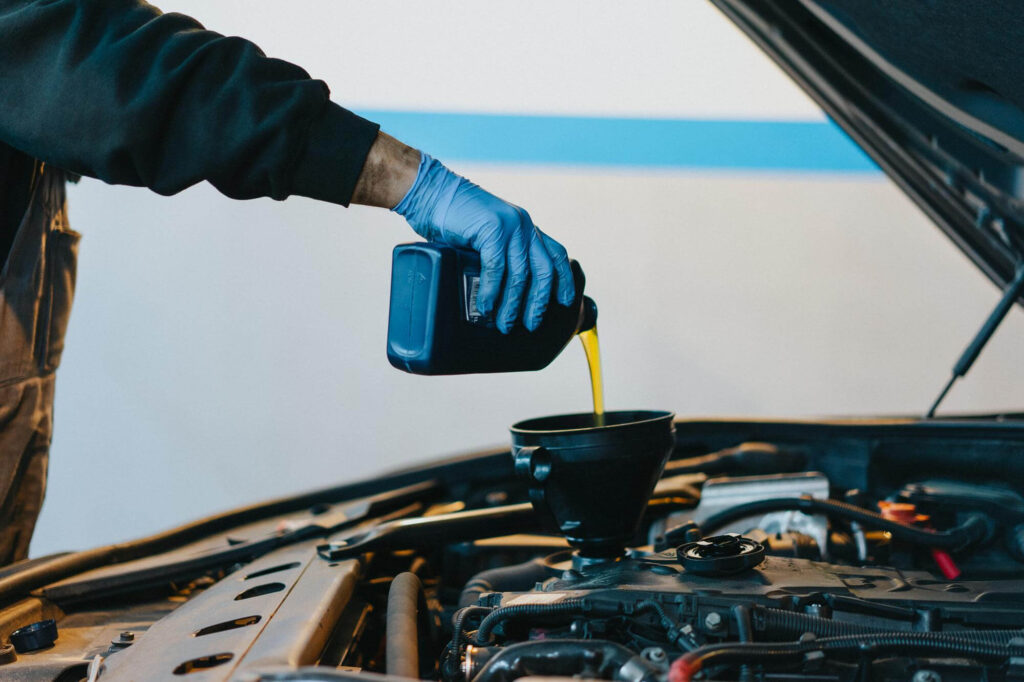
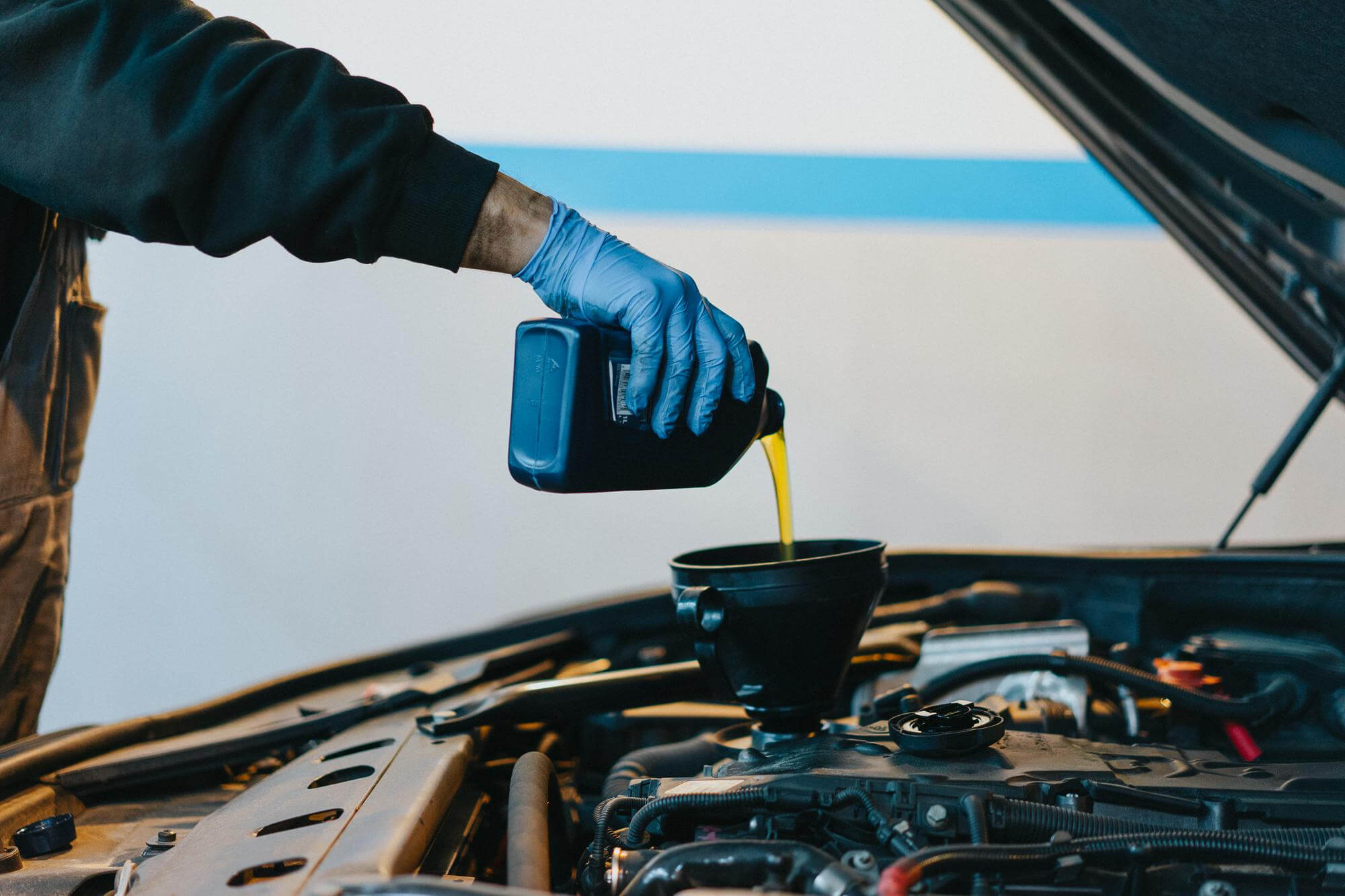
Skipping one oil change feels harmless in the moment. The car still starts, still drives, and nothing seems wrong. That is exactly what makes it risky, because the damage builds quietly under the hood while everything looks fine. Putting off an oil change turns a small, cheap service into a slow path toward major engine trouble. This is what goes on under the hood when you let it slide, and why the cost of waiting climbs fast.
What Engine Oil Does for Your Car
Engine oil is the lifeblood of your motor, and it works harder than most drivers realize. It coats hundreds of moving metal parts with a thin film, so they glide instead of grinding against each other. Beyond lubrication, the oil pulls heat away from hot spots, carries dirt and metal shavings to the filter, and helps seal the gaps between parts.
Fresh oil handles all of this with ease. Over the miles, though, it breaks down, thickens, and fills with grit. Once it turns dark and sludgy, it stops protecting the engine the way it should. A regular oil change swaps that worn-out oil for clean oil, so the engine keeps running smoothly. Skipping it leaves your motor working with fluid that has quit doing its job.
What Happens When You Skip an Oil Change
The trouble does not hit all at once. It creeps up in stages, and each stage does more harm than the last.
Right After You Pass the Due Mark
A few hundred miles past the mark, the oil is dirtier than it should be, but the engine copes for a while. You will not notice much difference at this point. This is the window where a quick oil change still costs you almost nothing and undoes the risk. Most people who skip do so here, telling themselves they will get to it next week.
A Few Thousand Miles Later
Push further, and the oil thickens into sludge. It moves slower, so parts of the engine run starved for lubrication. Friction rises, heat builds, and you start to notice the signs. The engine may run louder, the oil light may flicker, and fuel economy begins to slip. The check engine light can also appear as the strain grows.
When You Keep Ignoring It
Keep driving on old oil, and the damage turns permanent. Metal grinds on metal, parts warp from the heat, and the sludge clogs the passages that carry oil through the engine. At this point, you are looking at bearing failure, a warped head, or a fully seized engine that will not turn over at all. What began as a skipped oil change ends as a repair bill in the thousands.
The Engine Damage That Follows Old, Dirty Oil
Once oil stops doing its job, the harm spreads to several parts of the engine at once. Old, dirty oil sets off a chain of problems that feed each other:
- Sludge buildup that clogs oil passages and starves parts of lubrication.
- Overheating, since dirty oil cannot pull heat away as it should.
- Worn bearings, pistons, and cylinder walls from metal-on-metal friction.
- Warped or cracked parts as the heat keeps climbing.
- A seized engine is the worst case, where the motor locks up for good.
Many of these problems show up as a check engine light or odd noises first. Bringing the car in for engine diagnostics at that stage can catch the damage before it spreads. Once an engine seizes, though, repair often costs more than the car is worth, which pushes many owners toward a full engine replacement.
How Skipping Oil Changes Hits Your Fuel, Warranty, and Wallet
The engine is not the only thing that suffers. Skipping oil changes drains your wallet in ways that add up long before the motor fails.
The first hit lands on your fuel costs. The US Department of Energy notes that using the right grade of motor oil can improve your gas mileage by 1 to 2 percent, and worn, dirty oil works against that gain by forcing the engine to push harder. Your warranty is the next thing at risk, since most manufacturers require proof of regular oil changes, so a skipped service can void coverage right when you need it. Resale value takes a hit too, because a spotty maintenance record scares off buyers. For a business that runs delivery vans or company cars, these costs multiply across every vehicle in the fleet. A small service fee looks tiny next to a lost warranty claim or a new engine.
How Often Should You Get Oil Change?
The safest answer sits in your owner’s manual, since intervals vary by car and oil type. As a general guide, here is what most drivers follow:
- Conventional oil: roughly every 3,000 to 5,000 miles
- Synthetic blend: around every 5,000 to 7,500 miles
- Full synthetic: often every 7,500 to 10,000 miles, sometimes more
Your driving habits matter as much as the mileage. Short trips, stop-and-go traffic, towing, and the hot summers and freezing winters around Edison all push the oil to wear out sooner. If you drive in these conditions, the shorter end of the range is safer. Pairing your oil change with routine auto preventive maintenance keeps the whole engine in shape, not just the oil. When in doubt, a quick check with a mechanic settles it.
Book Your Oil Change in Edison Before Neglect Turns Into a Big Repair
A skipped oil change is a gamble, and the stakes are your engine. Every mile on old, dirty oil chips away at parts that cost thousands to replace, and the warning signs often come too late to stop the damage. Waiting to save a small service fee today can hand you a four-figure repair bill tomorrow.
A1st Auto Repair is a trusted Edison, NJ shop with over 30 years of experience and skilled mechanics who service every make and model, from daily drivers to imported luxury cars. We drain the old oil, fit a fresh filter, and check your engine so small issues never grow into big ones. If your car is due or overdue, reach out to our team for a fast, fair-priced service. The longer you run on worn oil, the more it costs your engine and your wallet, so the smart move is to book your oil change now and keep your car running for the long haul.

